Trust Is Not Investment Due Diligence
Myths Scams and Bad Advice · By Kushal K. Daga · Published 2026-10-04

The Relationship Is Part of the Pitch
The most dangerous investment offer may not arrive from a stranger. It may come from a new friend who remembers your goals, checks on your family and appears to have no reason to deceive you. By the time money enters the conversation, the relationship has already supplied what a cold sales pitch lacks: attention, familiarity and a story that makes independent verification feel rude.
Trust is useful in friendship and insufficient in custody. A sincere person can repeat a scam they do not recognize, exaggerate a legitimate opportunity, misunderstand risk or impersonate expertise. An apparently successful withdrawal can be funded by later investors. Screenshots can be fabricated, identities borrowed and websites cloned. The correct standard is not whether the person seems honest. It is whether the investment, seller, custodian and money trail survive checks that do not depend on the person.
Regulators call one version affinity fraud: schemes that exploit trust inside religious, ethnic, professional, military, age or social groups. Investor.gov warns that respected leaders and friends may unknowingly spread the offer after being deceived themselves. A referral proves how the opportunity traveled, not that the opportunity is sound.
The scale of reported loss makes caution proportionate. The FTC said consumers reported $5.7 billion lost to investment scams in 2024, more than any other fraud category and 24 percent above 2023. Seventy-nine percent of people reporting an investment-related scam said they lost money, with a median reported loss above $9,000. These are reports, not a complete count, and unreported losses mean the full harm is unknown.
A due-diligence pause protects the friendship as well as the money. A legitimate offer can tolerate questions, written documents and independent calls. A scam depends on speed, secrecy or emotional obligation. If ordinary verification insults the promoter, the reaction is itself information about the offer.
This article provides a verification sequence before any transfer: freeze the deadline, identify the legal person and product, check official registrations independently, inspect custody and withdrawal, reconcile the economic claim, limit data exposure and create an exit and reporting plan. It also explains why a visible balance is not proof of recoverable money.
The rule is simple: relationship evidence and investment evidence belong in separate columns. Kindness, shared identity and frequent contact can support a friendship. Registration, disclosures, audited records, independent custody and a coherent source of return support an investment. One column cannot substitute for the other.
Fraud prevention becomes harder when the relationship fills another need: companionship, mentorship, status, romance or access to a desirable group. Acknowledging that need is not an accusation. It explains why a purely financial checklist can feel emotionally costly. Preserve the social boundary by saying every private offer receives identical review, regardless of who introduces it.
A good opportunity does not deteriorate because one prospective investor declines. If refusal triggers guilt, threats, withdrawal of affection or warnings that others will take your place, the relationship has become leverage. Stop discussing money and seek an outside perspective. Investment consent obtained through emotional penalty is not the calm allocation decision a household plan requires.
Reported fraud and investment-scam losses
Freeze the Clock Before Checking the Story
Urgency is a control tactic because verification needs time. Scarcity may be framed as a closing allocation, a token presale, an imminent announcement, a private window or a special favor that cannot be repeated. FINRA lists pushy salespeople and demands to act now among fraud red flags. Its guidance says a reputable professional should not force an immediate decision.
State a fixed pause: no transfer, account connection, identification upload or signed document for at least 48 hours after receiving complete written materials. Larger, private or complex investments deserve longer. The pause begins when the information is complete, not when the promoter first creates a deadline.
Do not negotiate against yourself by sending a small test amount. Many scams deliberately permit an early withdrawal or display an immediate gain to build confidence. The test proves only that the operator chose to return some money at that moment. It does not establish where assets are held, whether later balances exist, or whether a large withdrawal will be honored.
Move the discussion out of disappearing messages. Save the original profile, phone number, email, website, wallet addresses, payment instructions and documents. Do not click new links to verify old links. Type official regulator and institution addresses independently or use known contact information. Screenshots should supplement, not replace, original records.
Tell another person. Secrecy prevents comparison and makes social pressure more effective. FINRA treats requests for secrecy or recruitment as warning signs. A legitimate private investment may have confidentiality terms, but those terms do not normally prohibit legal, tax or financial review before purchase.
Separate the emotional commitments already created. A gift, helpful introduction, romantic attention or promise of belonging does not create a debt payable through investment. Reciprocity is a persuasion technique when a small favor is used to obtain a much larger financial decision. Return kindness with kindness, not account access.
Write the claim before researching: who is offering what legal instrument, through which entity, at what price, with what return mechanism, risk, fees, custody, term and withdrawal process. If the promoter cannot complete that sentence in ordinary language, there is not enough information to consider the offer.
During the pause, avoid being drawn into hours of live explanation. Repetition creates familiarity, and familiarity can feel like evidence even when no new document appears. Ask questions in writing and compare answers with the original claim. A promoter who changes entities, return mechanics or custody each time a concern arises is not clarifying complexity; the story is moving around verification.
Set a data boundary too. Researching an offer does not require giving the promoter bank balances, account screenshots, tax returns or identification at the beginning. Legitimate suitability and anti-money-laundering processes occur through identified regulated entities with privacy notices and secure systems. Sensitive information sent early can support identity theft even if no investment transfer follows.
Verify the Person Without Their Links
Start with identity and authority. Obtain the person's full legal name, firm, business address, work email, telephone number, registration or license identifiers and the capacity in which they are acting. A social-media name, messaging handle or photograph is not legal identity. Refusal to provide verifiable details ends the review.
For securities professionals, use official databases reached independently. FINRA BrokerCheck can show registration, employment and disclosure information for brokers and firms; the SEC's Investment Adviser Public Disclosure site covers investment advisers; state securities regulators can address local registration and offerings. Investor.gov's professional-search guidance connects investors to these tools.
A real person's record does not prove the person contacting you is real. Imposters copy names, registration numbers, logos and clean disciplinary histories. Call the firm's number obtained from its official regulator record—not the number in the message—and ask to be connected to the named person. Confirm the email domain and whether the firm approved the proposed product and communication channel.
Match every material detail. A cloned profile may use the correct name but a different phone number, website, payment beneficiary or domain spelling. FINRA warns that doctored BrokerCheck reports and imposter sites can combine true public facts with fraudulent contact information. Its imposter guidance recommends confirming legitimacy through independent channels.
Registration is not a government endorsement and does not make every product suitable. It creates a verifiable regulatory footprint and information for further review. Some legitimate offerings and professionals may rely on exemptions, but an exemption is a reason to understand the legal basis and reduced protections—not permission to skip diligence.
Search enforcement actions, complaints, bankruptcies and business records using exact names and entities. Treat online reviews cautiously: scammers can manufacture praise, attack warnings and reuse victims as testimonials. Prioritize official records, court documents and direct confirmation from independent service providers.
If the promoter says registration is unnecessary, request the written legal basis and have independent counsel evaluate it. Complexity does not shift the burden to the investor. The person asking for money must identify who they are, what they can lawfully sell and which entity is responsible.
Check the entity as well as the individual. Confirm incorporation or formation, status, address, directors or managers where available, and whether the entity named in documents matches the one receiving money. A recently created company is not automatically fraudulent, but age, capitalization and operating history should align with claims of years of institutional success.
Do not let a famous partner's logo close the gap. Contact auditors, banks, custodians, insurers and business partners through independently found information and ask whether the claimed relationship exists. A letterhead, certificate or photograph can be copied. Third parties that refuse to verify may be constrained by privacy, but the promoter must still provide evidence appropriate to the claim.
Identify the Product and the Money Trail
An investment needs a legal form. Is it a share, bond, promissory note, partnership interest, fund interest, managed account, crypto asset, loan, real-estate interest or something else? Words such as platform, program, AI strategy, staking pool or wealth club may describe marketing rather than enforceable rights. Ask what document creates the claim and which law governs it.
Request the prospectus, offering memorandum, subscription agreement, financial statements, fee schedule, conflicts, risk factors and evidence of any claimed registration or exemption. Read them; do not accept a video summary. Missing documents, contradictory names, generic templates, spelling errors and unexplained last-minute account changes deserve investigation.
Trace funds before sending anything. The payment beneficiary should match the disclosed entity and custodial arrangement. A request to pay the salesperson personally, an unrelated company, a personal wallet, a money mule or a constantly changing bank account is a severe warning. FINRA specifically cautions against unusual asset-holding arrangements and payments outside a registered firm.
Identify the custodian and verify it directly. A dashboard controlled by the promoter is not independent custody. Contact the custodian using independently sourced details and confirm the account-opening process, ownership, asset type, statements and withdrawal method. If only the promoter can see or move the assets, control and reporting are dangerously concentrated.
Crypto transactions require the same questions, not fewer. A blockchain entry may prove that a transfer occurred, but not that the recipient is legitimate, that a token has value or that a platform will honor a withdrawal. Irreversibility makes beneficiary verification more important. Never send funds merely to unlock, verify or pay supposed taxes on an existing balance.
Map the complete cash path: your bank to beneficiary, beneficiary to claimed asset, income source back to the vehicle, and distributions or redemption back to you. If any step depends solely on the promoter's statement, mark it unverified. A coherent diagram can expose that no independent party confirms the asset after the transfer.
Reject remote-access requests and credential sharing. No legitimate investment requires a new friend to control your screen, obtain one-time codes, view seed phrases or move money from your bank on your behalf. Stop contact and secure affected accounts if any of those requests occur.
Examine withdrawal before return. Read notice periods, lockups, redemption gates, valuation dates, penalties and who may suspend payment. Ask for the legal bank or brokerage path through which proceeds return. An investment that offers instant deposits but vague redemptions is designed around collection rather than investor control.
Keep personal accounts isolated while researching. Do not open a new bank or exchange account at the promoter's direction, add an unknown beneficiary, whitelist a wallet or falsely describe a payment to bypass institutional controls. A request to mislead a bank about purpose is an immediate stop. Fraud teams ask questions because unusual payment patterns can be the last independent interruption.
Make the Return Explain Itself
Every return must come from somewhere: business profit, borrower interest, rent, asset appreciation, trading gains or another economic source. Ask what activity creates cash, who bears loss and why the opportunity needs your money. A slogan such as arbitrage, AI, liquidity mining or institutional access is not an explanation until the steps, counterparties, costs and risks are understandable.
Compare promised return with risk. High, guaranteed and unusually consistent returns are incompatible claims in normal investing. Investor.gov and FINRA identify guarantees, little-or-no-risk language and steady gains through all conditions as classic warning signs. A promoter cannot remove market risk by refusing to describe it.
Recalculate the claim. Convert daily or monthly percentages to annual compounded returns, include fees and ask what market supports the scale. A promise of 2 percent each week compounds to roughly 180 percent in a year. If such performance were reliable and scalable, the promoter would have cheaper sources of capital than urgently recruiting acquaintances.
Distinguish realized independent cash from displayed profit. A balance on a proprietary website can be any number the operator chooses. A distribution funded from later deposits can imitate investment income. Audited statements, third-party custody and verifiable underlying activity provide stronger evidence, though no single item eliminates risk.
Test the downside in writing. What events create loss, can losses exceed the investment, is capital locked, who determines valuation, can withdrawals be suspended and which creditors rank ahead? If the documents explain only upside, the marketing is withholding the information needed for consent.
Ask how the promoter is paid. Commissions, referral bonuses, token allocations, management fees and performance fees can create conflicts. A friend who earned a referral payment is not an independent witness, even if they believe the product works. Compensation should be disclosed in dollars and percentages.
Do not confuse exclusivity with quality. Claims that banks, regulators or ordinary investors cannot understand the strategy often prevent informed questions. Legitimate complexity can be explained by competent professionals and documented for auditors, custodians and counterparties. Secrecy about the source of return usually increases rather than protects risk.
Apply the same scrutiny to plausible returns. A promise need not be spectacular to be fraudulent; a steady figure slightly above familiar investments can seem sophisticated and safe. Verify assets, liabilities, cash generation and valuation independently. Moderation in the number does not cure absence of custody or a false issuer.
Ask what would make the investment fail. Competent sponsors can describe market, credit, liquidity, operational, legal and counterparty risks without insisting that every risk is hedged away. If every challenge is answered by a secret algorithm, guarantee, insurance certificate or wealthy backer that cannot be independently confirmed, the risk discussion is marketing theater.
Investment-scam reports often included a loss
Why the Fake Dashboard Feels Convincing
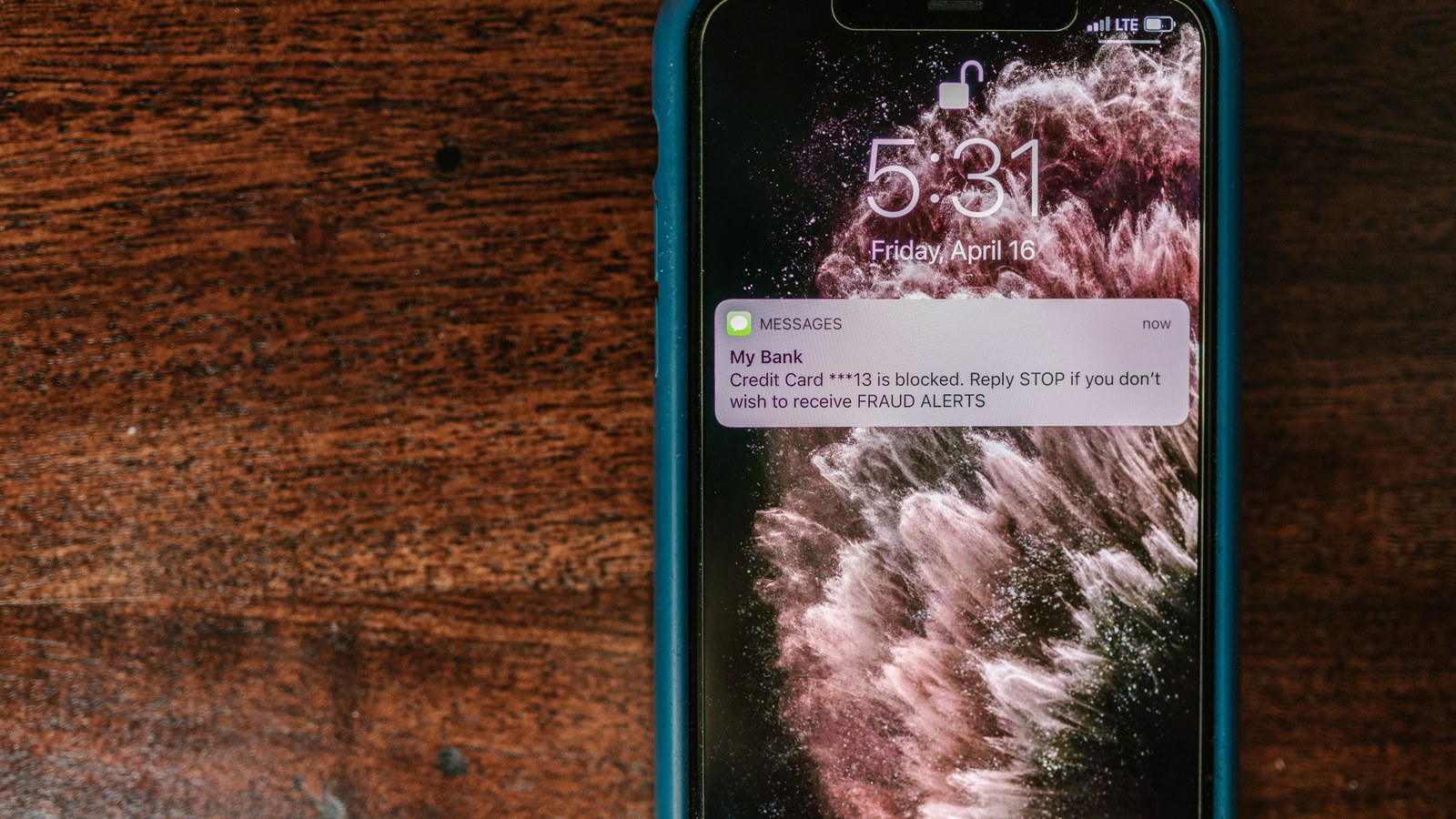
A polished app can show trades, profits, support chats and account statements without holding any investment. Numbers rise on schedule, reinforcing the promoter's earlier story. Some schemes allow a small withdrawal, then encourage a larger deposit, loan or retirement rollover. The interface is evidence of software output, not evidence of custody.
The FBI reported 41,557 cryptocurrency investment-fraud complaints and $5.8 billion in losses for 2024, increases of 29 percent and 47 percent respectively from 2023. The IC3 report says victims can be drawn into apparently profitable platforms and then blocked from withdrawing. Reports represent known complaints, not every loss.
Withdrawal obstruction often introduces a second payment: tax, verification, liquidity, insurance, security deposit or regulator fee. Legitimate taxes are not normally paid to an anonymous platform to release personal assets. Sending the fee deepens the loss and signals willingness to continue. Stop rather than paying to rescue the displayed balance.
Customer service may become more attentive when the victim hesitates. A supposed mentor, romantic interest, account manager and compliance officer can be coordinated identities. Group-chat members who celebrate profits may be accomplices or fabricated accounts. Social consensus inside a controlled platform is not independent corroboration.
A wallet address or transaction hash can be used theatrically. It may show funds moving without proving beneficial ownership or the legitimacy of the destination. Scam operators can route assets through multiple addresses and exchanges. Do not infer regulation, insurance or recoverability from technical-looking data.
If access is blocked, do not announce every reporting step to the operator. Preserve records, contact the sending financial institution immediately, secure accounts and report through official channels. Quick action may help institutions identify or freeze funds, but recovery cannot be guaranteed.
Beware recovery scams. The FBI warns that fictitious law firms and recovery services contact prior victims, sometimes claiming government connections and requesting upfront fees. Its recovery-fraud alert reports additional losses. Verify any lawyer, agency or recovery professional independently and remember that government agencies do not charge a fee to file a complaint.
Fake platforms may display regulatory seals, customer-service tickets and tax documents. Visual polish is cheap compared with custody. Inspect the app publisher and website domain, but do not treat technical inspection as sufficient; sophisticated sites can still be fraudulent. The decisive evidence remains outside the interface: regulated entities, legal ownership, independent statements and withdrawals not conditioned on new money.
Once a victim questions the platform, operators may manufacture a crisis: an account violation, expiring profit, frozen blockchain node or investigation. The crisis makes the victim responsible for rescuing the account. Do not solve platform-created emergencies with additional transfers. Contact the real institution or regulator through official channels and let the displayed balance remain untouched while verification occurs.
Crypto investment fraud reported to IC3
Run the Seven-Gate Verification
Gate one is complete identity. Stop unless the seller, firm and controlling people are identified in legal names with independently confirmable contact information. Gate two is authority: verify licenses, registrations or the precise exemption through official records. A screenshot supplied by the seller does not pass either gate.
Gate three is product documentation. You need the instrument, issuer, rights, risks, fees, conflicts, financial information and use of proceeds in writing. Gate four is custody: establish who holds cash and assets, how ownership is recorded and whether statements and withdrawals exist independently of the promoter.
Gate five is economic coherence. Explain the return source, counterparties, loss mechanism and why outside capital is required. Recalculate the figures. Gate six is payment integrity: beneficiary, account and entity must match verified documents, and the payment method must offer no unexplained detour through personal wallets or unrelated accounts.
Gate seven is personal suitability. Even a legitimate private investment can be illiquid, concentrated, expensive or inappropriate for the investor's goals. Decide the maximum loss the household can absorb without compromising housing, emergency savings, taxes or retirement. Fraud screening does not replace portfolio analysis.
A single failed gate is enough to pause; several failures are not averaged against charm, testimonials or a successful test withdrawal. Record each source, date and answer. This prevents the promoter from changing one part of the story without the contradiction becoming visible.
Use an independent professional when documents are private, unfamiliar or material to the household. The lawyer, accountant or adviser should be selected and paid by the investor, not introduced as the promoter's trusted verifier. Confirm the professional's credentials independently and ask about conflicts.
The acceptable answer may still be no. Due diligence reduces uncertainty; it does not convert every unverifiable offer into a negotiable risk. Walking away has no requirement to prove fraud. An investor needs adequate evidence to send money, not courtroom evidence to refuse.
Scorekeeping can help, but do not convert the gates into a points system. Identity and custody are foundational; strong-looking documents cannot compensate for an unverifiable beneficiary. Record pass, fail or unresolved. Unresolved means no transfer, not half credit. This fail-closed standard prevents a beautiful presentation from overwhelming one fatal gap.
Reperform key checks immediately before payment because account instructions and websites can change. Confirm beneficiary details verbally through an independently sourced number and compare them with signed documents. If instructions change, stop and restart verification. Business-email compromise can redirect a legitimate transaction even when the underlying investment and people are real.
The seven-gate verification
| Gate | Independent evidence |
|---|---|
| Identity | Legal name and regulator-sourced contact |
| Authority | Registration, license or documented exemption |
| Product | Rights, risks, fees and offering documents |
| Custody | Third-party asset holding and statements |
| Economics | Coherent source of return and loss |
| Payment | Beneficiary matches verified entity |
| Suitability | Loss does not break household goals |
If Money Has Already Been Sent
Stop additional transfers immediately. Do not pay withdrawal fees, taxes, margin, verification or recovery charges demanded by the platform. Contact the bank, card issuer, brokerage, wire service or crypto exchange used to send funds and ask for the fraud department. Provide transaction details and request available recall, freeze or tracing steps.
Secure accounts. Change passwords from a clean device, enable multifactor authentication, revoke remote-access software and connected apps, and contact institutions if credentials, identity documents or one-time codes were exposed. Protect email and mobile accounts because they can be used to reset financial access.
Preserve evidence before accounts disappear: messages, profiles, URLs, app names, documents, receipts, bank instructions, wallet addresses, transaction hashes, dates, phone numbers and names. Export chats where possible and keep unedited originals. Write a chronology while memories are fresh.
Report to the appropriate official channels. In the United States these can include the FTC at ReportFraud.ftc.gov, the FBI's IC3 for internet-enabled crime, the SEC, CFTC, FINRA, state securities regulators and local law enforcement depending on the product and conduct. Reporting can help connect cases even when immediate recovery is uncertain.
Tell trusted people and obtain emotional support. Shame isolates victims and supports the criminal. Sophisticated social engineering targets judgment through trust, urgency and repeated contact; being deceived is not consent to further exploitation. If the loss threatens housing, taxes or essential bills, seek reputable nonprofit financial or legal help promptly.
Be cautious with public posts that reveal loss details. Recovery scammers search for victims and tailor a second approach using information from the first case. Do not share seed phrases, credentials or sensitive evidence publicly. Official investigators and institutions can specify secure submission methods.
Review insurance, tax and legal implications with qualified professionals, but reject guarantees of recovery. A legitimate helper will explain authority, fees, limits and conflicts in writing. The urgency after loss can be as dangerous as the urgency before it.
Notify institutions with facts rather than editing the story from embarrassment. Exact dates, beneficiary names, account numbers, wallet addresses and communications help fraud teams act. Do not delete messages after blocking the operator. Preserve metadata and keep a log of every report number, institution contact and promised follow-up.
If debt funded the transfer, contact the lender or a reputable credit counselor rather than taking a second loan to recover through another scheme. Prioritize housing, utilities, food, taxes and essential insurance. Loss triage is a household cash-flow problem now; chasing a return to the old balance can expose the remaining assets to greater risk.
Build a Household Anti-Scam Firewall
Create a family rule that no investment discovered through an unsolicited contact, new relationship or private group receives money on the first discussion. Require a written summary and a second adult's review above a chosen threshold. The reviewer does not need to predict returns; they confirm that the seven gates were completed.
Protect the core balance sheet. Emergency funds, tax reserves, borrowed money and assets required for near-term goals should not enter speculative private offers. Set a maximum allocation for illiquid or high-risk investments only after essential goals are protected. A scam becomes catastrophic when money has several existing jobs.
Teach the persuasion pattern, not only current scam names. The surface changes from real estate to crypto, AI, commodities or private credit. The durable signals are claims of guaranteed performance, secrecy, urgency, social proof, authority claims, reciprocity, unusual custody and payment to an unexpected beneficiary.
Reduce data available to strangers. Review social-media privacy, remove public details about wealth and retirement, avoid investment discussions in open groups and treat direct messages about money as untrusted. Fraudsters can use interests, bereavement, loneliness, employment and family details to construct a highly personal approach.
Maintain official bookmarks for regulator databases and institution contact pages. Verification performed under pressure is vulnerable to sponsored fake sites and lookalike domains. Starting from known official resources makes it harder for the promoter to control the entire information path.
Discuss mistakes without punishment. A household where disclosure triggers ridicule will discover fraud later. Make the rule that anyone can call a financial stop, admit a transfer or request help without losing dignity. Speed of reporting matters more than winning an argument about who should have known.
Trust can open a conversation, but it cannot close due diligence. A genuine friend will accept a boundary that protects both people. An investment that survives independent identity, authority, product, custody, economics, payment and suitability checks can be evaluated on its merits. One that survives only while questions are discouraged has already answered the most important question.
Organizations can adopt the same controls. Churches, workplaces, clubs and community groups should avoid endorsing private offers merely because a member presents them. Leaders can distribute regulator resources, prohibit sales at official events and refer questions to independent authorities. Protecting trust inside a community requires refusing to lend institutional credibility without formal review.
Review the firewall annually and after any incident. Update trusted reviewers, regulator bookmarks, transaction thresholds and account-security contacts. Practice saying the boundary aloud: 'I do not invest through personal introductions without independent verification.' A rehearsed sentence reduces the social burden when the offer arrives from someone whose approval matters.

What to check before sending money
An investment introduced by a new friend is not safer because the relationship feels genuine. The friend may be the fraudster, may be impersonated or may sincerely repeat a scheme they do not understand. Affinity fraud exploits trust inside social, religious, ethnic, professional and other groups. Relationship evidence and investment evidence must remain separate.
Freeze urgency first. Do not transfer money, connect an account, upload identity documents or sign until complete written materials have been reviewed. A small test transfer is not safe proof; many schemes permit early withdrawals to encourage a larger deposit. Save messages and documents, tell another person and write the offer in one sentence identifying the seller, legal product, entity, return source, fees, risk, custody and withdrawal process.
Verify the person through official sources reached independently. Use FINRA BrokerCheck, the SEC's adviser database and state regulators as applicable. Then call the firm using contact information from its official record. A scammer can copy the name and registration number of a real professional while substituting a phone number, domain or payment account.
Identify the legal product and trace the money. Request offering documents, financial statements, risk factors, fees, conflicts and evidence of registration or exemption. Confirm the independent custodian and ensure the payment beneficiary matches the disclosed entity. A dashboard controlled by the promoter, transaction hash or displayed profit does not prove that recoverable assets exist.
Make the return explain itself. Determine whether cash is supposed to come from business profit, interest, rent, asset appreciation or trading, and who bears loss. Recalculate daily or monthly claims on an annual compounded basis. Guarantees, unusually steady returns, vague complex strategies, referral compensation and secrecy are major warning signs.
FTC data show consumers reported $5.7 billion in investment-scam losses in 2024, with 79 percent of investment-related reports indicating a loss and a median above $9,000. The FBI recorded 41,557 cryptocurrency investment-fraud complaints and $5.8 billion in losses. These reports do not measure every scam, but they show why independent verification is proportionate rather than paranoid.
Use seven gates: identity, authority, product documents, custody, economic coherence, payment integrity and personal suitability. A failed gate pauses the investment; charm and testimonials do not average it away. Even a legitimate product can be too illiquid, concentrated or risky. Walking away does not require proving fraud—sending money requires sufficient evidence.
If money was sent, stop further payments, contact the sending institution's fraud team, secure accounts and preserve messages, URLs, receipts, wallet addresses and transaction details. Report through relevant official channels such as the FTC, IC3, SEC, FINRA, CFTC or state regulator. Beware recovery services demanding upfront fees. A household anti-scam firewall should require a pause, a second review and protection of emergency, tax and near-term money before any private offer is considered.
Due diligence also protects personal data. Do not provide identity documents, account screenshots, one-time codes, remote access or wallet seed phrases merely to receive more information. Confirm any firm, custodian, auditor or partner through contact details obtained outside the promoter's documents. Recheck payment instructions immediately before a transfer, and restart verification if the beneficiary changes. A legitimate investment process can explain why data is needed, how it is protected and which regulated entity receives it.
Make refusal socially easy by adopting a universal household rule: every private offer receives the same pause and independent review, regardless of friendship, romance, status or shared community. That boundary avoids debating whether a person is trustworthy. It asks whether the proposition can stand without borrowed trust. The investor does not need to prove criminal intent to say no. The promoter must provide enough verifiable evidence for the investor to accept risk, custody and loss knowingly.
Questions when a friend brings the pitch
Can a legitimate investment be unregistered?
Some offerings rely on exemptions, but that increases the need to verify the exemption, seller authority, documents, custody, risks and suitability independently.
Does a successful small withdrawal prove the platform is real?
No. Fraudsters may return a small amount to encourage a larger deposit. It does not prove independent custody or future withdrawal ability.
How do I verify an investment professional?
Use official databases reached independently, then contact the firm through the number on its regulatory record to confirm identity, employment, product and communication channel.
Should I pay tax or a fee to unlock my profits?
Do not send more money merely to release a displayed balance. Contact your institution and relevant authorities; additional-payment demands are common in fake-platform scams.
What if the friend invested successfully?
They may be seeing fabricated profits or early payments funded by later victims. Verify independently rather than treating their experience as proof.
Where should a U.S. victim report?
Depending on the conduct, reports can go to the sending institution, FTC, FBI IC3, SEC, FINRA, CFTC, state securities regulator and local law enforcement.
The language of investment fraud
- Affinity fraud
- Investment fraud exploiting trust among members of an identifiable group or community.
- Imposter scam
- A scheme using the identity or authority of a real person, firm or agency.
- Custodian
- An institution responsible for holding and safeguarding client assets.
- Private offering
- A securities offering not made through a standard public registration process and often relying on an exemption.
- Ponzi scheme
- A fraud using new investor money to pay earlier investors and simulate returns.
- Money mule
- A person or account used to receive and move fraud proceeds.
- Seed phrase
- Secret words controlling access to a cryptocurrency wallet; anyone with them may control the assets.
- Wallet address
- A blockchain destination identifier that does not by itself verify the owner's legitimacy.
- Recovery scam
- A second fraud charging victims for promised retrieval of previously lost money.
- Social proof
- Persuasion based on apparent participation or approval by others.
Fraud data and verification guidance
- Investor.gov — Investor Alert: Affinity Fraud2014 · How shared identity and trusted leaders can spread fraudulent investments.
- FINRA — Watch for Red Flags of Investment Fraud2025 · Guarantees, secrecy, registration, custody and urgency warning signs.
- Federal Trade Commission — New FTC Data Show Reported Fraud Losses of $12.5 Billion in 20242025 · Reported investment-scam losses and Consumer Sentinel figures.
- Federal Bureau of Investigation Internet Crime Complaint Center — 2024 IC3 Annual Report2025 · Cryptocurrency investment-fraud complaints and losses.
- Investor.gov — Search for an Investment Professional2026 · Official routes for checking investment professionals.
- FINRA — Be Alert to Signs of Imposter Investment Scams2026 · Cloned identities, doctored records, fake apps and independent confirmation.
- FBI Internet Crime Complaint Center — Fictitious Law Firms Targeting Cryptocurrency Scam Victims2024 · Recovery scam tactics and evidence to preserve.
- North American Securities Administrators Association — Contact Your Regulator2026 · State and provincial securities-regulator contacts.
Strengthen your financial defenses
- Daily Yield CalculatorsTest savings, debt and long-term assumptions.
- Daily Yield ArticlesExplore related evidence-led financial decisions.
Official checks and reporting channels
- Investor.gov — Investor Alert: Affinity Fraud2014 · How shared identity and trusted leaders can spread fraudulent investments.
- FINRA — Watch for Red Flags of Investment Fraud2025 · Guarantees, secrecy, registration, custody and urgency warning signs.
- Federal Trade Commission — New FTC Data Show Reported Fraud Losses of $12.5 Billion in 20242025 · Reported investment-scam losses and Consumer Sentinel figures.
- Federal Bureau of Investigation Internet Crime Complaint Center — 2024 IC3 Annual Report2025 · Cryptocurrency investment-fraud complaints and losses.
- Investor.gov — Search for an Investment Professional2026 · Official routes for checking investment professionals.
- FINRA — Be Alert to Signs of Imposter Investment Scams2026 · Cloned identities, doctored records, fake apps and independent confirmation.
- FBI Internet Crime Complaint Center — Fictitious Law Firms Targeting Cryptocurrency Scam Victims2024 · Recovery scam tactics and evidence to preserve.
- North American Securities Administrators Association — Contact Your Regulator2026 · State and provincial securities-regulator contacts.
Important: Educational information only; not personalised financial, tax, investment, credit or legal advice.
More from Daily Yield
Swipe, drag or keep watching Contrarian HooksStop Maxing Your 401(k)Read next →
 Age and Wealth MilestonesReal Net Worth Targets by Age for Median…Read next →
 Passive Income RealityThe Portfolio That Pays Your RentRead next →
 Middle Class SurvivalWhy Dual-Income Couples Still Feel One Month…Read next →
 Money Audits and Case StudiesThe $48,000 Teacher Money RebuildRead next →
 Money Psychology and MindsetBreak the 'I Deserve It' Spend LoopRead next →
 Housing Cars and Big BuysYour Mortgage Is Not the Real CostRead next →
 Automation and Money SystemsThe Payday WaterfallRead next →
 Credit Debt and Optimization0% Balance Transfers Without the TrapRead next →
 AI Fintech and Future MoneyAI Found £1,200 I Was WastingRead next →
 Automation and Money SystemsThree-Fund PortfolioRead next →
 Middle Class SurvivalFIRE Got HarderRead next →
Stay with the reporting
One publication · connected desks
The Daily Yield family
Move between reporting, tools, complete market analysis and the concise Global Snapshot without losing your place in Daily Yield.
Comments
Post a Comment